



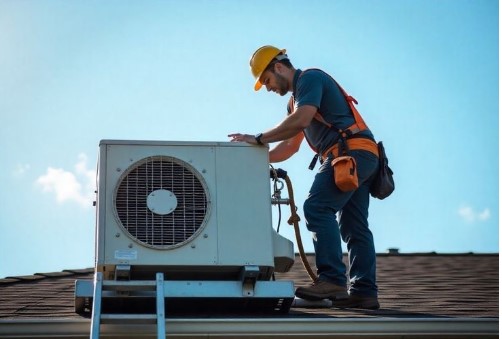
A well-maintained HVAC system does more than control temperature. It shapes comfort, energy use, and indoor air quality. Small actions taken on time can prevent major failures later. Preventive maintenance is not complex, but it demands consistency. With the right techniques, systems last longer and perform better. This article explores practical ways to keep HVAC units running efficiently.
Regular Inspection Routines For Stable Performance
Routine inspections form the backbone of preventive care. Technicians check filters, coils, and wiring for early signs of wear. Dust buildup, loose connections, and minor leaks often go unnoticed without inspection. These small issues can grow into expensive problems if ignored. A monthly visual check and a seasonal professional inspection create a strong defense against breakdowns. Consistency here keeps the system predictable and efficient.
Filter Care And Lev Systems Efficiency
Air filters directly affect airflow and system strain. Dirty filters force the unit to work harder, increasing energy use. This is where lev systems come into context. Lev systems, or local exhaust ventilation systems, help control air contaminants at the source. Clean filters ensure these systems function effectively alongside HVAC units. Replacing or cleaning filters every few weeks improves airflow and indoor quality. In the long run, proper filter care strengthens both HVAC output and lev systems performance.
Coil Cleaning To Reduce AC Repair Needs
Evaporator and condenser coils collect dirt over time. This dirt blocks heat exchange and reduces cooling capacity. As efficiency drops, the system runs longer cycles, increasing wear. Regular coil cleaning prevents this decline. It also reduces the need for frequent AC repair interventions. The AC repair refers to fixing faults in air conditioning units, often caused by neglect. Clean coils keep the system balanced and lower the chances of sudden failures. This simple step can significantly cut down ac repair frequency.
Thermostat Calibration With Lev Systems Balance
A miscalibrated thermostat can misguide the entire system. It may cause overcooling or uneven temperature distribution. Calibration ensures accurate readings and better control. In spaces using lev systems, proper thermostat settings maintain balanced airflow and ventilation. Lev systems depend on stable environmental conditions to function well. When calibration is correct, both HVAC and lev systems operate in harmony. This improves comfort and reduces unnecessary energy use.
Duct Maintenance and AC Repair Prevention
Air ducts act as the delivery network of the system. Leaks or blockages reduce efficiency and strain the unit. Dust and debris inside ducts also affect indoor air quality. Sealing leaks and cleaning ducts restore proper airflow. This reduces pressure on components and limits wear. Over time, neglected ducts often lead to costly ac repair cases. Keeping ducts clean and sealed helps avoid these disruptions and maintains smooth system operation.
Lubrication And Electrical Checks For Longevity
Moving parts need proper lubrication to reduce friction. Motors and fans wear out quickly without it. Electrical components also require attention. Loose wires or faulty connections can lead to system failure. Regular lubrication and electrical checks keep the system stable. These actions extend equipment life and improve safety. A well-lubricated system runs quietly and efficiently, which is a sign of good maintenance.
Conclusion
Preventive maintenance is an investment in reliability. It reduces unexpected breakdowns and improves system lifespan. Simple practices like filter care, coil cleaning, and duct maintenance make a noticeable difference. Attention to lev systems and timely ac repair awareness adds another layer of efficiency. Together, these techniques create a system that performs consistently and economically. A proactive approach always costs less than reactive fixes.