



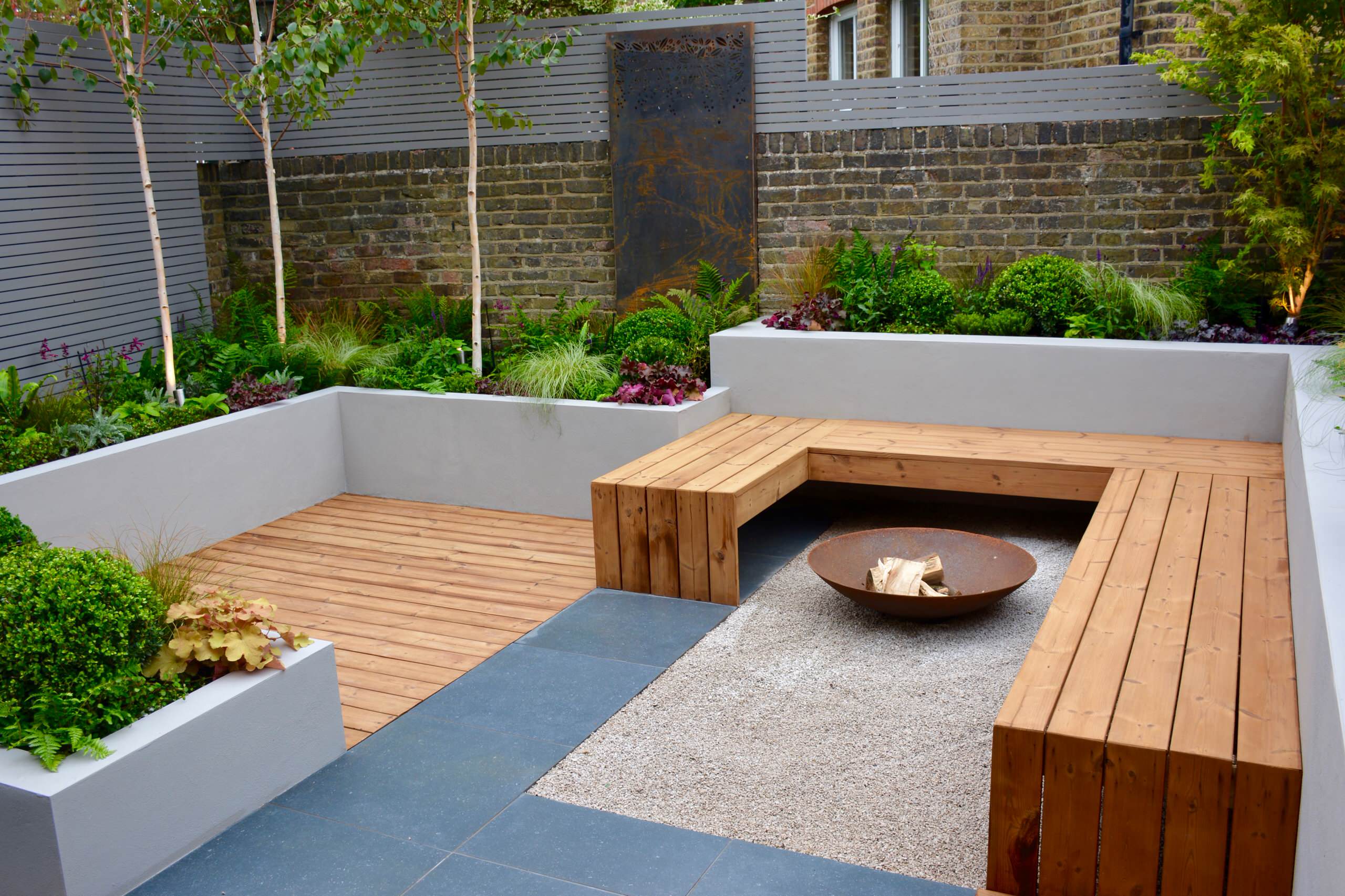
A yard can feel overwhelming when you stand in the middle of it with a blank slate and a budget. Where do you begin, and what matters most? Thoughtful residential landscaping services start with listening, measuring and planning long before a single shovel breaks ground. Here is a clear, practical process you can follow from first idea to finished space. This approach keeps projects calm and affordable.
Define What You Want
Write down how you want to use the space. Entertaining, gardening, play areas and quiet relaxation each need different layouts. A clear purpose prevents impulse purchases and keeps the whole plan focused.
Collect inspiration photos and note what you like in each. Patterns quickly emerge, whether you prefer clean modern lines, soft cottage plantings or natural woodland textures that feel relaxed. Keep these images handy when talking to any designer or contractor.
Study Your Site
Observe sun, shade, wind and drainage across a typical day. These conditions determine which plants thrive and where seating will feel comfortable. A quick sketch with notes is more useful than guesswork. A weekend of observation can prevent years of poorly placed plants.
Note slopes, soil type and existing trees as well. Good backyard landscaping and garden design work with the land rather than fighting it, which saves money and effort over time.
Set the Budget and Phases
Landscaping can be built in stages. Prioritize structural elements such as grading, drainage, paths and patios first, then add planting and finishing details as funds allow. Foundations always come before decoration. Written priorities make it easier to compare quotes later.
A phased plan avoids rushed decisions. It also lets you live in the space and refine ideas as you learn how you actually use it, which often improves the final result.
Choose Plants Wisely
Pick species suited to your climate and soil. Native and adapted plants usually need less water and fewer chemicals, and they support local pollinators. Healthy plants also resist pests more effectively. Visit local nurseries to see what thrives nearby and ask for seasonal advice.
Layer height and color for lasting interest. Combine trees, shrubs, perennials and ground covers so the garden has structure across seasons instead of peaking for just a few weeks each year.
Hardscape and Features
Patios, walkways, retaining walls and edging create the framework. Materials should suit your home’s style and handle local weather, foot traffic and maintenance expectations without constant repair.
Features like fire pits, water elements and lighting add atmosphere. Place them carefully so they connect with the overall layout and do not feel like afterthoughts squeezed in at the end. Lighting extends the usable hours of the garden well into the evening.
Water and Maintenance
Efficient irrigation protects plants and reduces waste. Drip systems and smart controllers deliver water where it is needed and adjust to weather, saving both money and effort during busy summers. Automated timers remove guesswork and help prevent overwatering.
Consider ongoing care when selecting plants and materials. A beautiful yard should match the time you are willing to spend maintaining it, or it will quickly become a burden instead of a pleasure.
Working With Professionals
Experienced designers translate ideas into drawings, material lists and schedules. They also anticipate technical issues such as drainage, grading and permitting that are easy for homeowners to overlook.
Ask to see past projects and talk through communication styles before you hire. A good partnership makes the process smoother and the finished result far more satisfying. Written proposals help everyone stay aligned on schedule and costs.
Common Pitfalls to Sidestep
Planting too closely is the classic mistake. Tiny nursery plants look sparse, so people crowd them, then struggle with overgrown beds. Check mature sizes on plant tags and leave room for growth.
Another pitfall is ignoring drainage. Water that pools near foundations or patios causes expensive damage. Fix grading issues first, and treat plantings as finishing touches rather than solutions to structural problems.
Conclusion
A thoughtful plan turns an ordinary yard into a place you actually enjoy using. Define your goals, respect the site and build in stages. Small decisions made early shape how the space feels for years. For help shaping your outdoor space, visit russolandscapes.com and start a conversation about your ideas.