



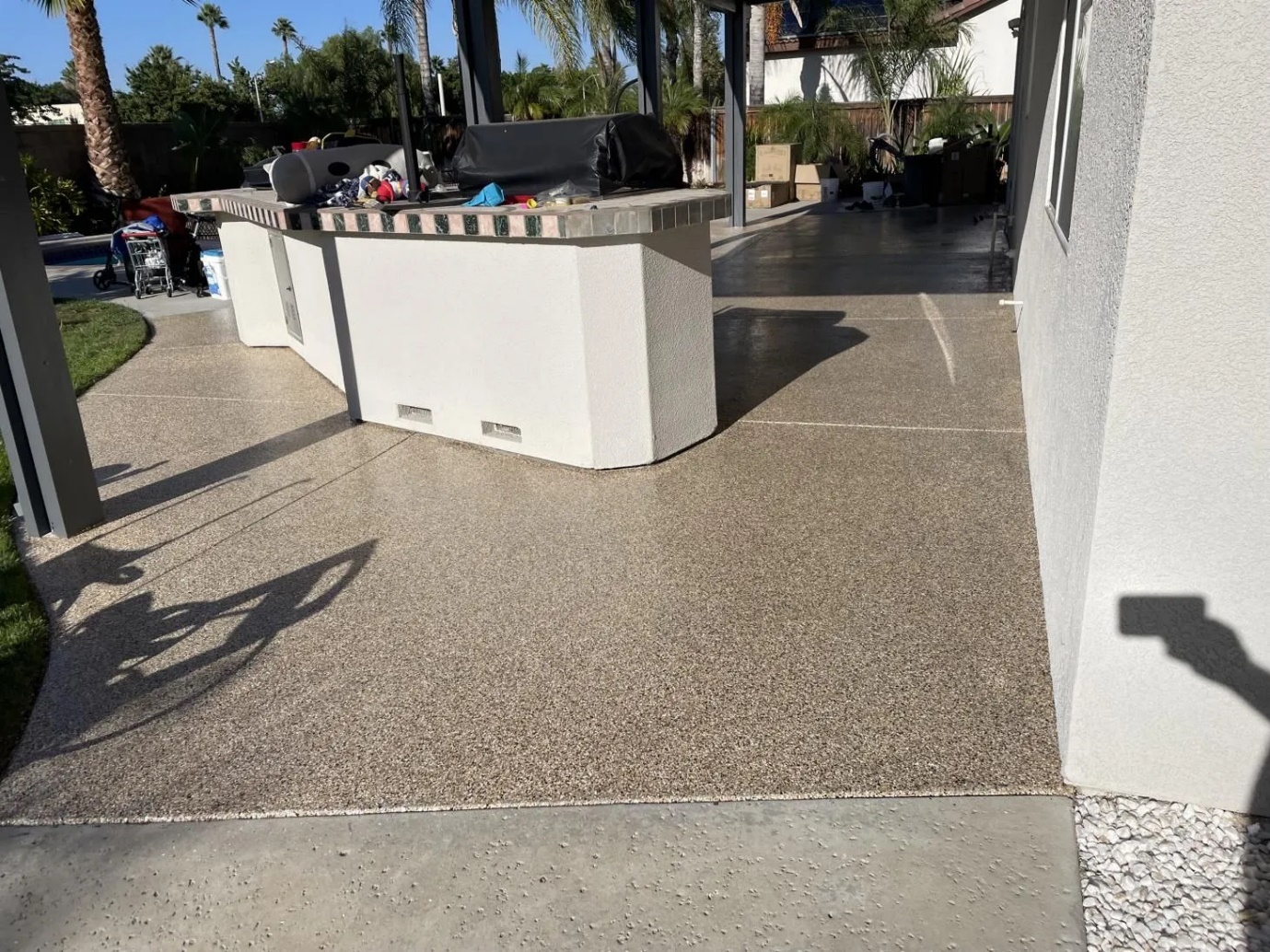
California homeowners often use outdoor areas as extensions of their living spaces. Patios become gathering places, side yards provide convenient access, and concrete walkways connect different parts of a property. However, outdoor surfaces experience conditions that differ from those inside a home, including direct sunlight, temperature changes, rain, and regular exposure to dirt.
Homeowners considering outdoor concrete coatings should think about how these conditions affect the existing concrete and intended use of each area. A thoughtful outdoor improvement plan considers climate, drainage, foot traffic, and maintenance requirements rather than choosing a surface solely for its decorative appearance.
California’s Climate Creates Different Conditions
California includes coastal, inland, and mountainous regions with noticeably different weather patterns. A property near the coast may experience different moisture and temperature conditions from a home located farther inland. Direct sunlight can also influence how outdoor surfaces perform and appear over time. Some materials have specific limitations concerning ultraviolet exposure, temperature, or other environmental conditions.
These differences make location an important part of flooring discussions. A system suitable for one outdoor environment should not automatically be assumed appropriate for every California property. Homeowners can document which areas receive strong afternoon sunlight, remain shaded, or experience regular exposure to water before discussing improvements.
Outdoor Living Areas Have Different Purposes
A patio used for dining has different requirements from a walkway connecting the driveway to the backyard. Poolside areas, garden paths, and outdoor workspaces introduce additional considerations. Furniture placement, pedestrian movement, cleaning routines, and the possibility of wet conditions can all influence how a surface is used.
Before selecting a finish, homeowners should identify the main activities taking place in each area. This helps distinguish decorative preferences from practical requirements. A large entertaining space may benefit from a consistent visual design, while narrow access routes may place greater emphasis on clear movement and appropriate surface characteristics.
Drainage Remains an Essential Consideration
Outdoor concrete needs suitable drainage arrangements so water can move away from buildings and other vulnerable areas. Existing slopes and drainage points should be reviewed before permanent improvements begin. A decorative coating cannot independently correct unsuitable drainage or underlying building defects.
Where water regularly collects, the cause should be investigated rather than concealed beneath another finish. Changes to surrounding landscaping can also influence how water moves across the property. Homeowners planning several outdoor improvements should coordinate drainage, concrete work, and landscaping so one project does not unintentionally create problems for another.
Flooring Systems Have Different Applications
Not every resin-based flooring system is intended for the same environment. Products differ in their application requirements, substrate compatibility, and performance characteristics. For example, polyaspartic flooring may be considered for certain projects, but its suitability for outdoor use depends on the specific formulation, manufacturer guidance, and site conditions.
Homeowners should avoid assuming that all products within one general category offer identical performance. Professional assessment can help determine whether the existing concrete is appropriate for the proposed system and what preparation may be necessary before installation.
Outdoor Furniture Influences Surface Planning
Patios and entertaining areas often contain tables, chairs, planters, barbecues, and other movable equipment. Their placement affects how people navigate the space. A practical layout should provide enough room for seating and movement without creating unnecessary obstacles.
Furniture materials and protective accessories should also be considered in relation to the finished surface. Manufacturer guidance can help determine appropriate cleaning and care methods. Homeowners may also want flexibility for seasonal gatherings. Leaving some open space can make it easier to rearrange furniture without requiring permanent changes to the patio.
Maintenance Should Reflect Local Conditions
Outdoor surfaces encounter dust, leaves, rainwater, and other debris throughout the year. The amount and type of maintenance required can vary according to the property’s location and surrounding environment. Homeowners should understand the recommended cleaning methods for their installed system rather than assuming every concrete finish can be maintained identically.
Regular visual checks can also help identify damage or other concerns that deserve professional attention. Keeping drainage points clear and managing debris around outdoor areas can support general property maintenance without relying on the coating to solve unrelated environmental issues.
Conclusion
Outdoor concrete improvements should reflect the climate, activities, and physical conditions of the property. Sun exposure, drainage, pedestrian movement, furniture placement, and cleaning requirements all influence how a surface should be evaluated. Different coating systems have different applications, making professional assessment and manufacturer guidance important before installation. By considering the intended use of each area and addressing underlying concrete or drainage concerns first, California homeowners can plan outdoor spaces that remain practical through changing seasons while maintaining a coordinated appearance across the property.