




Key Takeaways
-
Compressed air systems are integral to various industrial processes, offering versatility and efficiency.
-
Advancements in technology have led to smarter, more energy-efficient compressed air solutions.
-
Proper maintenance and monitoring are essential to maximize the benefits of compressed air systems.
Introduction
Compressed air is often referred to as the “fourth utility” in industrial settings, ranking alongside electricity, water, and gas as an essential component of daily operations. Though not visible, it powers a wide range of equipment and tools, helping maintain efficient and uninterrupted production. Industries such as automotive, packaging, and pharmaceuticals depend on its versatility and consistency to keep workflows optimized. For companies seeking reliable compressed air service Jacksonville FL, trusted providers like Air Production & Service, Inc. offer the expertise and support needed to sustain peak system performance.
As competitive pressures rise, companies are turning to advanced compressed air technologies to reduce operating costs and support sustainability efforts. The evolution from traditional systems to innovative, smart-driven approaches has brought new levels of control, insight, and efficiency to industrial operations.
The expanding role of compressed air stretches beyond manufacturing plants and workshop floors. Sectors including food and beverage, electronics, and even hospitals use compressed air daily for critical, sensitive applications.
Organizations invested in green initiatives also find compressed air systems beneficial, as advances prioritize energy savings and minimal environmental impact.
Applications of Compressed Air in Industry
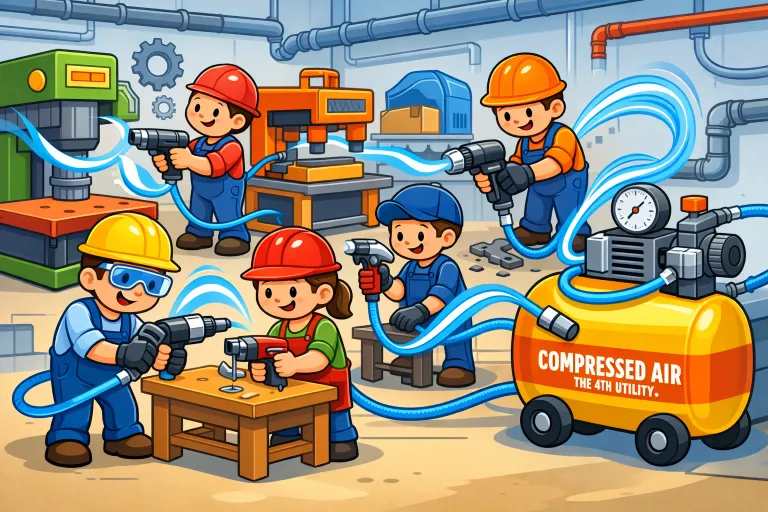
From assembly plants to packaging warehouses, compressed air powers a multitude of applications that drive productivity and innovation. Key industrial uses of compressed air include:
-
Operating pneumatic tools such as drills, sanders, and wrenches, which offer greater safety and efficiency compared to their electric counterparts.
-
Controlling automation systems where precise movement and actuation are essential, including robotics and valve operation.
-
Packaging and material handling, where compressed air facilitates conveying, filling, and palletizing processes.
-
Spray painting and coating, providing uniform application of materials for finishing products in the automotive and consumer goods industries.
The food and beverage industry relies on compressed air in bottling, canning, and maintaining hygienic conditions. In the pharmaceutical field, compressed air is indispensable for tablet production, product packaging, and environmental controls. Medical environments employ compressed air in respiratory devices, laboratory instruments, and even surgical suites.
To further understand the breadth of industrial air applications and future trends, readers can explore this analysis from Forbes.
Advancements in Compressed Air Technology
Technological progress within the world of compressed air has focused on smarter, more connected, and energy-aware solutions. One major leap is the integration of smart sensors and IoT-enabled real-time monitoring. By continuously measuring variables like air pressure, temperature, flow, and energy consumption, these systems provide operators with actionable insights to proactively manage their assets.
This real-time data allows companies to move away from reactive maintenance and instead adopt condition-based strategies. When system anomalies are detected, maintenance teams can intervene early, minimizing unplanned downtime and extending equipment life. In turn, the overall cost of system ownership drops while reliability is significantly boosted. Another area of advancement is the use of high-efficiency motors and innovative airend designs, both of which reduce operational energy requirements.
Energy Efficiency and Sustainability
Rising energy costs and sustainability commitments have made energy efficiency a cornerstone of compressed air system innovation. Modern systems feature variable-speed drives (VSDs), which allow compressors to adjust air output in real time to match demand, reducing unnecessary electricity use. Optimized air ends further ensure less energy is wasted during compression.
Heat recovery systems capture waste heat generated during the compression process and repurpose it for facility heating or preheating water, further reducing net energy use. Innovations like these not only lead to immediate cost reductions but also help businesses align with strict environmental regulations and meet sustainability targets. For more insight into the environmental benefits and efficiency-forward trends, see this comprehensive guide from the U.S. Department of Energy.
Maintenance and Monitoring
An effective maintenance regime is essential for preserving the performance and lifespan of compressed air systems. Routine inspection schedules should include checks for leaks (a major source of energy loss), filter changes, and verification of pressure settings. Implementing digital monitoring platforms enables organizations to review system health in real time, automate alerts, and document historical performance metrics for continuous improvement.
Predictive maintenance, powered by advanced analytics, goes further by correlating sensor data with known failure patterns. This approach allows teams to address minor issues before they escalate into costly breakdowns, ultimately promoting safer, more productive workplaces.
Challenges and Considerations
Despite their advantages, compressed air systems can present challenges. Leaks, excessive pressure, and poor system design commonly contribute to energy waste and higher operational costs. Comprehensive system audits by skilled technicians help to uncover inefficiencies, quantify losses, and prioritize fixes.
Training employees on best practices, like proper shutoff protocols and basic leak detection, ensures everyone contributes to operational efficiency. When evaluating system upgrades, businesses must consider upfront investments against projected energy savings and productivity gains.
Another emerging consideration is cybersecurity. As industrial compressed air systems become more connected through IoT and digital platforms, the risk of cyber threats grows. It is increasingly important to follow security best practices when deploying smart controls and remote access features.
Conclusion
The continued evolution of compressed air systems has cemented their role as an industrial cornerstone, providing the power, efficiency, and adaptability that modern enterprises depend on. By prioritizing sustainability, embracing innovative technologies, and rigorously maintaining equipment, organizations can maximize both operational and cost benefits. In light of environmental concerns and competitive pressures, investing in the right compressed air solutions ensures long-term reliability and success in today’s demanding industrial landscape.