



Key Takeaways
-
Early development of curiosity enhances learning, creativity, and cognitive growth.
-
Experiential learning, such as play, storytelling, and hands-on activities, drives curiosity and engagement.
-
A safe, responsive, and resource-rich environment is essential for nurturing inquisitive minds.
Curiosity is fundamental to every child’s learning journey. It fuels exploration and discovery, motivating young learners to engage with the world and ask questions about how things work. For parents and educators, recognizing and nurturing curiosity in early childhood is essential to fostering a lifelong love of learning. In settings such as daycare and early childhood classrooms, children benefit greatly from environments designed to reward inquiry and hands-on exploration. Choosing the right environment, such as a daycare Julington Creek FL, can play a significant role in fostering engagement and curiosity in your child’s earliest years.
Encouraging curiosity is not just about letting children ask questions; it is about creating opportunities for open-ended discovery, fostering resilience through experimentation, and ensuring they feel supported and understood. Effective strategies in early education empower children to become independent thinkers, creative problem-solvers, and confident communicators.
Understanding the Role of Curiosity in Early Learning
Curiosity is the catalyst for growth in early childhood. It shapes the way children interact with their surroundings and inspires them to seek answers on their own. According to research published by TIME, fostering curiosity in school-age children is associated with improved critical thinking skills, better academic outcomes, and increased motivation to learn. By valuing children’s questions and encouraging further exploration, caregivers can create a culture of inquiry that lasts well beyond the early years.
The desire to explore often emerges when children feel confident and safe. When early learners are encouraged to follow their interests, they are more likely to persist in solving problems and making connections between concepts, leading to deeper understanding and retention.
Implementing Play-Based Learning
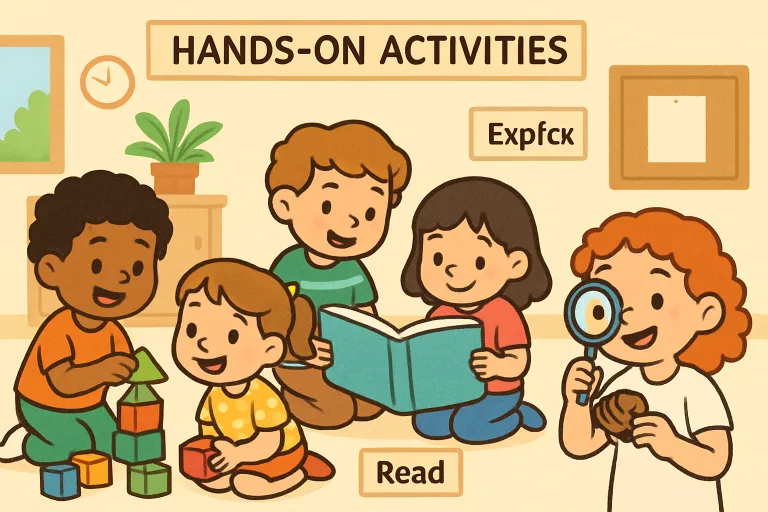
Play-based learning is widely regarded as a powerful method to foster curiosity in young minds. Through context-rich and meaningful play, children practice new skills, test theories, and learn to collaborate with peers. Activities such as building with blocks, role-playing, or participating in imaginative group games allow children to investigate the world in a way that feels natural and enjoyable. This hands-on approach to learning encourages exploration, flexible thinking, and self-discovery.
Carefully crafted play environments can harness children’s natural inclination for curiosity, turning everyday experiences into valuable learning opportunities. Research from Edutopia points to the measurable academic advantages of maintaining an enthusiastic, question-driven classroom culture.
Utilizing Interactive Storytelling
Stories captivate children’s attention and stimulate their imagination. When storytelling becomes interactive, it transforms passive listening into active participation. Educators can prompt young learners to predict outcomes, suggest character actions, or create their own endings to stories. Techniques such as using props, puppets, or digital tools invite children to immerse themselves in the narrative, encouraging deeper exploration and discussion. Interactive storytelling not only boosts language skills but also motivates children to ask questions and think about the world from different perspectives.
Creating a Safe and Supportive Environment
Children must feel safe to express their ideas, make mistakes, and explore new topics without fear of judgment. Encouraging children’s questions and resisting the urge to provide immediate answers supports the process of discovery. Instead, educators can prompt deeper thought with open-ended questions like, “What do you think will happen next?” or “How might we find out?” By allowing children to guide their own investigations, adults send the message that curiosity is valued and that learning is a process, not simply a destination.
Encouraging Hands-On Exploration
Children learn most effectively by doing. Hands-on activities such as mixing colors during art projects, growing plants, or experimenting with water and sand let children see real-world effects and outcomes. These experiences foster resilience and persistence because children are encouraged to try, fail, and try again. Direct engagement with materials and the environment inspires children to think creatively and learn from their observations, strengthening natural curiosity and reinforcing core concepts in science, math, and language.
Integrating Technology Thoughtfully
Technology can enhance curiosity when used intentionally and in moderation. Quality educational apps, digital storybooks, and interactive games present new concepts in engaging formats. Care must be taken to ensure technology use is purposeful and balanced with hands-on and outdoor experiences. When digital tools are chosen carefully, they can complement traditional learning and stimulate curiosity by offering information, resources, or simulations that might not otherwise be accessible in the classroom.
Collaborating with Parents and Caregivers
Extending the spirit of curiosity beyond the classroom requires support from families. Educators can keep parents informed and engaged by sharing at-home activities, recommending discussion topics, or providing resources for curiosity-driven exploration. A collaborative relationship between caregivers and educators reinforces learning and gives children a seamless experience that values inquiry both at home and at school. Shared activities, like nature walks or simple science projects, invite families to model curiosity and enthusiasm for lifelong discovery.
Conclusion
Curiosity is one of the most important drivers of early learning and development. By creating safe, nurturing environments filled with opportunities for play, storytelling, hands-on discovery, and responsible technology use, educators and caregivers lay the foundation for a lifelong passion for knowledge. When families and educators work together, curiosity becomes not just a phase but a way of life for every child, inspiring the continuous exploration that is essential for growth and happiness.