



Table of Contents
- Financial Preparation
- Choosing the Right Property
- Conducting a Home Inspection
- Understanding Closing Costs
- Finalizing the Mortgage
- Securing Homeowner’s Insurance
- Preparing for Moving Expenses
- Completing the Closing Process
- Final Thoughts
Buying a home is one of the most important financial decisions you will make. Whether you are a first-time homebuyer or a seasoned property investor, understanding and following a strategic approach can help you avoid common pitfalls and ensure a smooth buying process. Before you sign on the dotted line, it’s crucial to address several key steps that safeguard your investment and give you peace of mind. If you want to ensure the property you choose meets high standards, consider getting a house inspection Wichita Falls, TX for expert guidance. Doing so can help you spot issues early and save money in the long run.
Methodical preparation will make the experience less stressful and help you make informed choices. From the vital step of getting financially ready to understanding closing costs and finalizing your mortgage, every detail counts. Prioritizing these actions helps secure your future as a homeowner and protects you against surprises during and after the transaction.
Financial Preparation
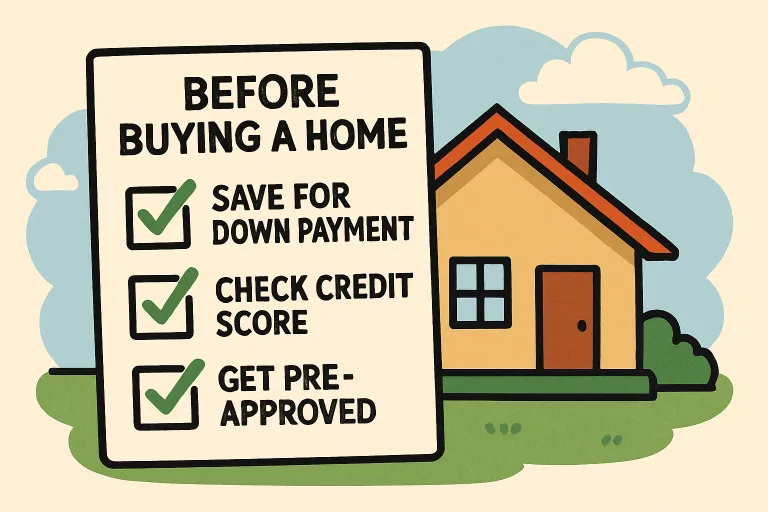
Take a close look at your finances before beginning the house hunt. Review your credit score and correct any errors you spot. Calculate your debt-to-income ratio to ensure you can comfortably take on a mortgage. Determine a price range that fits your situation by listing your sources of income, current debts, and monthly expenses. Getting a mortgage pre-approval strengthens your position when making offers, as it signals to sellers that you are a qualified and serious buyer. A detailed budget also helps set realistic expectations and prevents falling in love with properties outside your financial reach.
Choosing the Right Property
Start by defining your must-have features and preferences. Decide on your preferred neighborhood, property size, and amenities that matter most to your lifestyle and future plans. Consider the proximity to work, school districts, public transportation, and potential for future resale value. Research local market trends and talk to knowledgeable real estate professionals in your area. These agents can guide you through available listings and competitive offers, making the search process far more manageable.
Conducting a Home Inspection
Prioritize a thorough home inspection as part of your due diligence. This assessment is critical for uncovering hidden issues with the property, including structural defects, outdated wiring, roof damage, and plumbing concerns. According to the Consumer Financial Protection Bureau, an in-depth inspection not only offers peace of mind but can also provide leverage for negotiating repairs or adjustments to the purchasing price. Work with certified inspectors who will supply a detailed report on the home’s major systems, allowing you to make fully informed decisions.
Understanding Closing Costs
Closing costs can catch many buyers off guard if not properly accounted for in advance. These expenses typically include loan origination charges, title insurance, appraisal fees, legal costs, and taxes. Generally, closing costs range from 2 to 5 percent of your total loan amount. Your lender’s Loan Estimate will supply a comprehensive list of these fees. Planning for this expense early in your home search can help you avoid unwanted surprises and ensure you have the necessary funds available on closing day.
Finalizing the Mortgage
After you have chosen a property and addressed inspection concerns, your lender will guide you through the process of finalizing your mortgage. This includes submitting required documentation such as proof of income, bank statements, tax returns, and employment verification. Take time to thoroughly review your interest rate and loan terms. Confirm the details in your Closing Disclosure form, which breaks down all costs and the final amount due at closing. Respond promptly to any additional information requests to prevent delays and keep your purchase on schedule.
Securing Homeowner’s Insurance
Homeowner’s insurance provides financial protection against risks like fire, theft, or severe weather. It is a requirement for most mortgages. Shop around to compare coverage levels and premiums from multiple insurance providers. Depending on your location, you might also need additional coverage for natural disasters such as floods or earthquakes. Make sure your policy’s effective date aligns with your closing date so you are covered from the moment you take possession of your new home.
Preparing for Moving Expenses
Relocating involves more than simply transporting belongings from one place to another. Start by estimating costs for moving services, packing materials, rental trucks, or short-term storage options. Don’t forget transitional expenses, such as deposits for new utility accounts and the setup of services like internet or cable. Planning your move several weeks in advance allows you to compare quotes, secure your preferred movers, and avoid last-minute expenses.
Completing the Closing Process
The final step in your home purchase journey is the closing session. During closing, you will review and sign legal and financial documents and pay the remaining closing costs. This is your last chance to address any outstanding questions with your lender or closing agent. Once papers are signed and funds are transferred, you will receive the keys to your new home. Take time to confirm all paperwork is accurate before leaving the closing table, as these documents determine your rights and obligations as the property owner.
Final Thoughts
Following these essential steps ensures you are well-prepared for one of life’s major milestones. Proactive planning and a detail-oriented approach can transform a complicated process into a rewarding and satisfying experience. By keeping each step in focus, you set yourself up for long-term success and stability as a homeowner.