



Key Takeaways
-
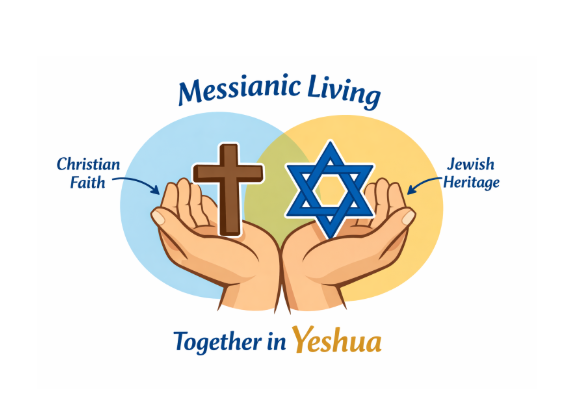
Christian Messianic living blends Christian faith with Jewish traditions and practices.
-
The movement is diverse, with a variety of worship styles and congregational practices.
-
Understanding different approaches enables a more personal and enriched spiritual experience.
Christian Messianic living represents a unique spiritual path that allows believers to intertwine Christian faith with Jewish customs, fostering a deep appreciation for both traditions. In recent years, more individuals have embraced this blended approach, seeking greater authenticity and relevancy in their spiritual lives. By exploring the nuances of Messianic Jewish discipleship, individuals can better understand how faith, tradition, and community can come together in meaningful ways.
The appeal of Christian Messianic living is rooted in its desire to honor the Jewish heritage of Christianity while maintaining firm belief in Jesus as the Messiah. This dynamic journey shapes personal faith and also cultivates bridges between communities. Those who engage in this lifestyle enjoy the richness of two faith streams, discovering how millennia-old traditions still speak into modern existence.
Understanding Christian Messianic Living
The essence of Christian Messianic living lies in recognizing Jesus (Yeshua) as the Messiah while embracing elements of Jewish culture, ritual, and worldview. This holistic approach sees the roots of the Christian faith as inseparable from its Jewish origins. Messianic believers often observe biblical feasts, use Hebrew prayers, and integrate both Testaments of the Bible in their spiritual practice, seeking continuity with the earliest followers of Jesus.
For many, this path offers a way to reconnect with original Christian practices observed by Jesus and the Apostles. The movement has grown as people seek deeper authenticity, wishing to express faith in a way that honors all aspects of scriptural heritage. This unique perspective invites questions about Christian identity and opens doors to re-examining tradition in light of biblical revelation.
Historical Context
The roots of the modern Messianic movement stretch back to the efforts of Christian missionaries in the 19th and 20th centuries who reached out to Jewish communities. Over the decades, these efforts evolved as some Jewish followers of Jesus sought to retain their cultural identity and rituals while affirming their faith in Christ. Today, the Messianic movement is recognized as a distinct expression of belief that honors both Christian doctrines and Jewish history.
Varied Congregational Practices
One of the most defining features of the Messianic movement is its diversity in worship and practice. Some congregations mirror traditional Jewish synagogues, with Torah readings, kippot, and tallitot, while others adopt contemporary worship like evangelical Christian churches. Many combine both, creating hybrid services with Hebrew songs, Jewish holiday celebrations like Passover and Sukkot, and teachings from the Old and New Testaments. This flexibility helps individuals find communities that match their identity and faith. As a result, congregations attract people from different backgrounds, offering spaces where various worship styles are welcomed. This blending of traditions unites those seeking to honor God’s story across history.
Challenges and Considerations
While Messianic living offers many blessings, it also poses challenges. Navigating two worlds often means encountering theological differences, not only with mainstream Christianity but also within Jewish communities. There can be misunderstandings regarding the blending of traditions and debates over issues such as law and grace, cultural appropriation, or differing interpretations of Scripture.
Support from a like-minded community is essential for maintaining spiritual growth and resilience. For individuals transitioning into Messianic living, finding a congregation that aligns with their beliefs is crucial. As with any faith journey, honest dialogue, humility, and a willingness to learn from others are necessary for building lasting relationships and deepening one’s connection to God.
Global Growth and Impact
The reach of the Messianic movement now spans continents, with significant communities established in the United States, Israel, and throughout Europe, Latin America, and Asia. This worldwide expansion is often viewed as significant, with some believers pointing to its prophetic implications. According to reports in Christianity Today, many see Jewish people’s embrace of Jesus as fulfilling biblical prophecy and signaling important changes within the broader faith landscape. This growth is not just numerical but is also influencing how Christians and Jews relate to one another in the modern era.
Finding the Right Community
For those considering Messianic living, the journey begins with finding the right community. Prospective members should carefully evaluate a congregation’s doctrinal beliefs, worship styles, and overall culture. It is beneficial to attend services, engage in study groups, and take part in fellowship opportunities before making a commitment.
A healthy community should offer support, opportunities for service, and a safe environment for spiritual growth. Many congregations have outreach programs and educational initiatives that further enhance the faith experience.
Conclusion
Christian Messianic living stands as a testament to the creative ways in which faith adapts and grows while remaining connected to ancient roots. By better understanding the diverse approaches within the movement, individuals can embark on a spiritual journey that honors both tradition and transformation. Whether seeking a richer faith experience or wanting to bridge gaps between Christianity and Judaism, exploring Messianic living provides meaningful avenues for deep, sustained spiritual growth.