




Key Takeaways
- Window coverings help balance natural light, privacy, and comfort.
- Choice depends on room function, style, and energy efficiency needs.
- Options include sheer, light-filtering, blackout, and specialty shades.
- Materials like cellular and faux wood improve durability and insulation.
- Flexible designs like layered or top-down shades enhance control.
Balancing natural light and privacy is essential in creating a comfortable and inviting home. Whether you want to enjoy the warmth of sunlight or shield your interior from prying eyes, the right window coverings can help you achieve both. Homeowners in areas such as Gresham often seek solutions that blend function and style, like silhouette shades Gresham OR, to strike this important balance and complement their home’s aesthetic. To make the best selection, it’s crucial to evaluate your home’s unique needs, including the room’s function, design preferences, and the level of control you desire over sunlight and privacy. With a wide range of options, understanding key factors and the attributes of different materials can help you choose window coverings that enhance both the quality of light and your peace of mind.
What Are the Key Factors in Selecting Window Coverings?
Every home and each room presents distinct requirements for window coverings. The decision-making process should start with these key considerations:
- Light Control: Decide how much natural light you want to let in, and whether you need glare reduction for activities like working or watching TV.
- Privacy Needs: Evaluate the importance of privacy, particularly for bedrooms, bathrooms, and street-facing spaces.
- Energy Efficiency: Choose coverings that contribute to better insulation and reduced energy bills.
- Aesthetic Appeal: Select styles and colors that enhance your overall interior design.
Taking the time to prioritize these factors not only ensures comfort and security but also helps add value and style to your living spaces.
Which Window Coverings Offer Optimal Light Control?
Different window treatments offer a range of light-filtering capabilities, and your ideal option will depend on how you use each room:
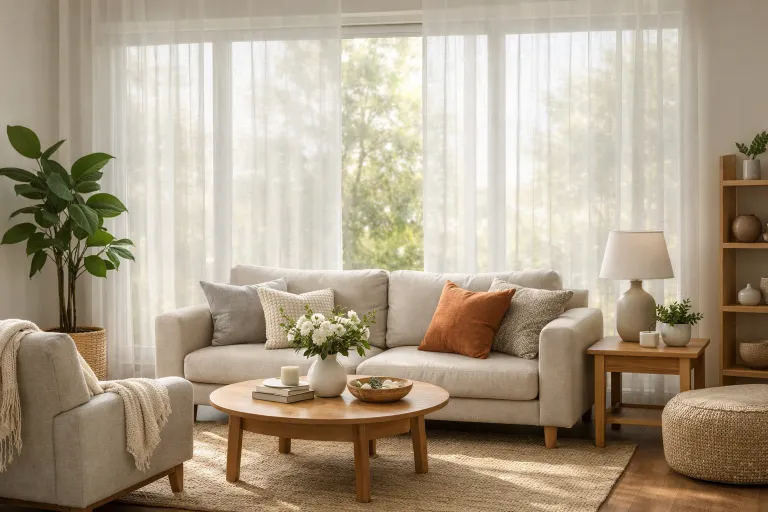
- Sheer Shades: These maximize daylight while providing minimal privacy, perfect for living rooms and kitchens where brightness is desirable.
- Light-Filtering Shades: Such shades soften sunlight and offer moderate privacy, making them best for dining areas or home offices.
- Room-Darkening Shades: These block much of the light and provide excellent privacy. Consider them for bedrooms or media rooms where limiting light is important.
- Blackout Shades: The ultimate choice for total darkness and privacy, ideal for nurseries and home theaters.
According to HGTV, blackout shades are an increasingly popular solution for bedrooms, helping ensure restful sleep by blocking exterior light.
How Do Different Materials Affect Privacy and Light Control?
The material you select for your coverings plays a crucial role in both appearance and performance:
- Wood Blinds: Offer excellent adjustability for light and privacy, but may not be ideal for high-humidity rooms.
- Faux Wood Blinds: Combine the look of wood with greater durability, perfect for damp spaces like bathrooms and kitchens.
- Cellular Shades: Available in various opacities, these shades provide insulation and customizable levels of privacy and light control.
- Solar Shades: Reduce sun glare and UV rays without sacrificing your view, though night-time privacy is limited.
What Are the Best Window Coverings for Each Room?
Your window treatment choices should be tailored to each room’s specific functions and requirements:
- Bedrooms: Blackout shades or curtains with a lining create tranquil sleeping environments by blocking early sunlight and city lights at night.
- Living Rooms: Sheer or light-filtering shades preserve a luminous feel while preventing harsh glare and mild unwanted attention from outside.
- Kitchens and Bathrooms: Materials resistant to moisture, like faux wood or aluminum blinds, prevent damage and are easy to clean.
- Home Offices: Adjustable blinds or shades strike a balance between screen visibility and privacy.
How Can You Maintain Privacy Without Sacrificing Natural Light?
There are strategic solutions for those who want both privacy and a bright atmosphere:
- Top-Down/Bottom-Up Shades: These allow you to lower the window covering from the top while keeping the bottom sealed for privacy. This is a preferred option for first-floor and street-facing rooms.
- Layered Treatments: Combining sheer curtains with heavier drapes provides flexible options throughout the day and night.
- Frosted Window Films: These are ideal for spaces like bathrooms, ensuring privacy without blocking natural light.
Livingetc outlines how top-down/bottom-up shades are especially handy for rooms with street views, so you can let the sun in without feeling on display. Read more about creating privacy without losing light at Livingetc.
What Are the Energy Efficiency Benefits of Certain Window Coverings?
Some window treatments offer insulation that can help regulate your home’s temperature, reducing reliance on heating and cooling systems:
- Cellular Shades: Their honeycomb structure traps air, minimizing heat transfer and enhancing energy savings year-round.
- Thermal Curtains: These curtains are constructed with insulating fabrics that help maintain desired indoor temperatures.
- Solar Shades: Not only do they cut glare, but they also limit heat gain by blocking harmful UV rays in warmer months.
How Do You Choose the Right Window Coverings for Your Home?
- Start by analyzing each room’s specific privacy and lighting needs.
- Match the material and style of the covering to the room’s purpose and environment.
- Include options that boost energy efficiency to lower overhead costs and be eco-friendly.
- Ensure the design aligns with the rest of your home décor for a cohesive look.
With careful planning and an understanding of your household’s unique requirements, you can confidently select window coverings that provide comfort, style, and functionality.
Frequently Asked Questions
What Are the Most Versatile Window Coverings?
Top-down/bottom-up shades and layered window treatments are exceptionally versatile. They offer a flexible approach to adjusting light and privacy, making them ideal for multi-use spaces throughout your home.
Can Window Coverings Improve Energy Efficiency?
Yes. Window treatments like cellular shades and thermal curtains can provide extra insulation, resulting in lower heating and cooling costs and a more comfortable living environment. The U.S. Department of Energy provides additional tips and research on this topic. Read more about energy-efficient window solutions.
How Do I Maintain My Window Coverings?
Regular light dusting and spot cleaning with manufacturer-approved products will extend the lifespan and appearance of your window treatments. Always consult care labels for specific instructions relevant to your chosen material. By combining knowledge of each material’s strengths with an eye for stylish solutions, you can create inviting, private, and energy-efficient spaces throughout your home.
Conclusion
Choosing the right window coverings is essential for achieving the perfect balance of natural light, privacy, comfort, and energy efficiency in your home. By considering factors such as room function, style preferences, and insulation needs, homeowners can select options that enhance both practicality and aesthetics. From sheer and light-filtering shades to blackout and specialty designs, each choice offers unique benefits suited to different spaces. Materials like cellular and faux wood further enhance durability and temperature control, while flexible solutions like layered treatments and top-down/bottom-up shades provide greater versatility. With thoughtful selection and planning, you can create a home environment that feels bright, private, and energy-efficient while complementing your overall interior design.